Build Better Evening Lighting Before Buying More Smart Bulbs
Our buying advice is based on published specifications and documented features. The shop links below go to official stores and currently contain no affiliate tracking. Read our disclosure.
Gear to consider
Start with your use case. Check the store for the current price, compatibility, and availability.

Dinner is over, the laptop is closed, and the ceiling light still makes the living room feel like a workplace. You lower the television brightness but the room never feels comfortable. A box of colorful smart bulbs is an appealing shortcut, yet the harsh overhead light may remain the real problem.
Plan the room around what happens after dark: reading on the sofa, moving through the hallway, and watching something without reflections. Connected controls should make those lighting choices easy to repeat.
| Room need | Useful option | Avoid paying for |
|---|---|---|
| One lamp at one setting | Ordinary bulb and accessible switch | Features you will never adjust |
| Repeatable brightness scenes | Compatible dimmable smart bulbs | Color when white light is enough |
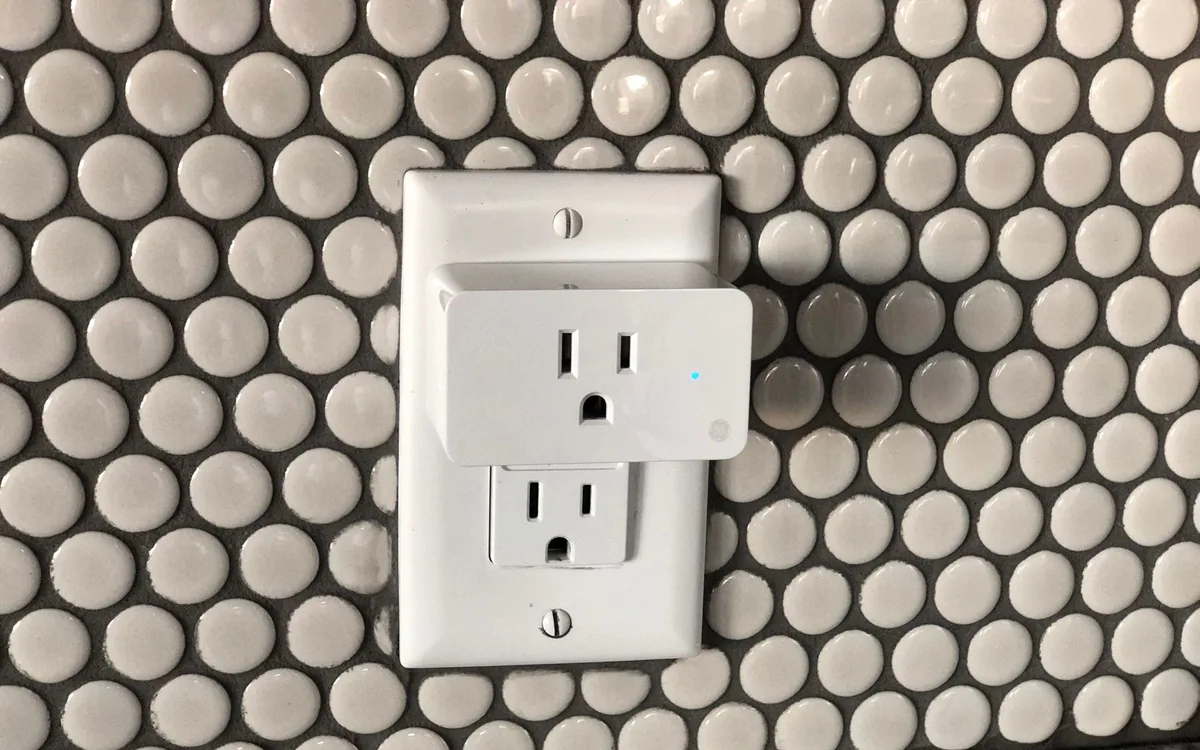
| Simple remote on/off | A suitable smart plug | A lighting bridge solely for one switch |
Give each light a job
List the activities in the room and the surfaces that need illumination. A reading light should reach the page without shining into another person's eyes. A background lamp can soften the contrast around a screen. A small entrance light can help somebody move through the room without switching on the main fixture. These are placement decisions before they are app decisions.
Try moving an existing lamp before buying a replacement. Check reflections from the television at your usual seat, and notice whether a bare bulb is visible from the sofa. A shade, a different position, or a lower-output bulb may solve the discomfort more directly than an expensive connected accessory.
Choose white-light control before paying for color
If your main goal is a calmer evening setting, compare adjustable brightness and suitable white-light options first. Full color is enjoyable for some rooms, but it is not necessary for every bedside or reading lamp. Think about the settings you will return to repeatedly rather than the ones that look impressive in a product photograph.
Check the bulb fitting, fixture dimensions, enclosed-fixture restrictions, and any existing dimmer. A smart bulb and a wall dimmer are not automatically a compatible pair. The correct arrangement depends on the bulb and control manufacturers' instructions. A poorly matched fixture is a practical issue no scene name or automation can repair.
Buy a kit only when its contents match the room
Philips Hue offers starter kits with different bulb and hardware combinations. The useful comparison is the exact package: fitting, number of bulbs, white or color capability, controller, and whether a Bridge is included. Do not assume two similarly named kits contain identical equipment. Read the current selected option before comparing its total cost with individual accessories.
A bridge-based system may appeal when you want coordinated lighting across several fixtures, while a single lamp may not justify that initial purchase. Work out which lights belong to the same evening routine. Buying a larger kit because it is discounted can leave you fitting connected bulbs into rooms that did not need them.
Make everyday control obvious
Create a small set of scenes with distinct purposes: reading, television, and lights out. A collection of nearly identical presets makes the room harder to use. Give the household a physical control where possible, especially near the entrance. An app should be an option for adjustment rather than the only way a guest can light the room.
Explain which switches need to remain on for connected bulbs to respond. If people naturally use a wall switch, account for that habit with an appropriate compatible control or choose a different product type. For a plug-in lamp that only needs on/off control, a smart plug is simpler, but it will not add dimming to an ordinary bulb.
Keep automation gentle and reversible
A scheduled evening scene can save repeated adjustments, but avoid abrupt changes that interrupt somebody reading or watching a film. Start with a manually selected scene and only automate it after the household agrees that the timing works. Retain an easy way to override the routine. Sunset schedules and location triggers are tools, not obligations.
Skip connected lighting if you always use one setting and the switch is already convenient. Spend on a good lamp, shade, or suitable ordinary bulb instead. If you do buy, trial one part of the room before expanding. The worthwhile result is a room that supports your evening, not a dashboard showing that every socket is connected.
Common questions
Do I need color bulbs in every lamp?
No. Choose color where it serves a purpose. Adjustable white light or an ordinary bulb may be the better fit elsewhere.
Will a smart plug dim a lamp?
An ordinary on/off smart plug will not. Check for a compatible bulb or purpose-built dimming solution.
Can I keep my existing wall dimmer?
Only if the relevant manufacturers document compatibility. Check the exact bulb, dimmer, and fixture combination before installation.
Sources & editorial notes
Manufacturer and support documentation checked for this guide. Features, regional availability, and prices can change. Our recommendations apply those documented features to everyday scenarios; they do not represent hands-on testing.
- Philips Hue official starter-kit catalogue · Checked 2026-10-19
- Tapo P125M on/off control · Checked 2026-10-19
Found an error? Tell the editorial desk with the article link and a supporting source.