Choose a Power Bank for the Journey, Not Just the Flight
Our buying advice is based on published specifications and documented features. The shop links below go to official stores and currently contain no affiliate tracking. Read our disclosure.
Gear to consider
Start with your use case. Check the store for the current price, compatibility, and availability.
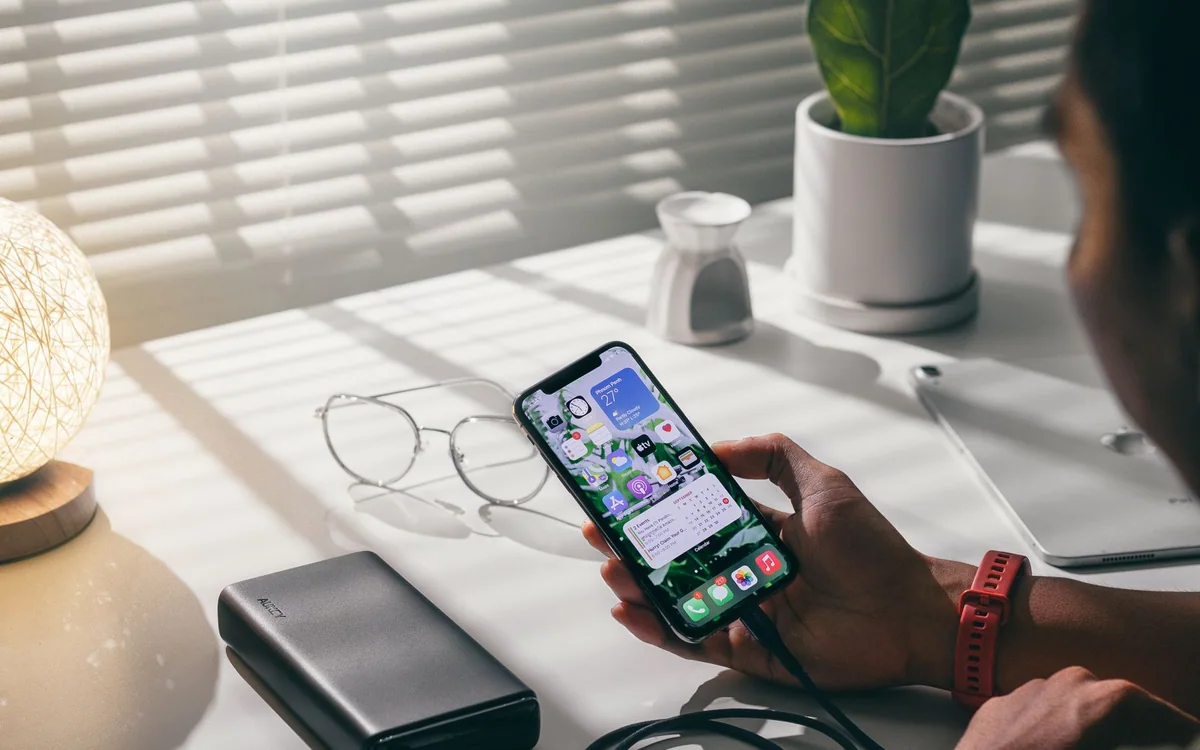
The flight is only one part of the day. Your phone also handles the ride to the airport, boarding passes, a connection, navigation after landing, and a message to whoever is meeting you. Counting only the hours in the air can leave the most important battery reserve unplanned.
A power bank should cover that realistic day without becoming the heaviest unnecessary object in your bag. Capacity matters, but output compatibility, charging cables, and the rules of the specific journey deserve equal attention.
| Main job | Prioritize | Compromise |
|---|---|---|
| Phone reserve | Portability and a suitable cable | Less laptop capability |
| Laptop work during a layover | Supported PD output and enough capacity | Higher weight |
| International connections | Actual Wh label and airline rules | May require a different pack |
Separate phone insurance from laptop power
For a phone that starts the day fully charged, a modest reserve may be enough. A laptop used during a long layover is a different load. Write down what must remain available if the seat outlet is absent or unusable. Do not make the bank responsible for every device merely because it has several ports.
The Anker 737 Power Bank is a laptop-oriented example: the official listing specifies 24,000mAh, two USB-C ports, one USB-A port, and up to 140W output with compatible equipment. Its published 630g weight is also part of the decision. That is considerable weight if the only task is keeping a phone available for directions after landing.
Use the label, not a vague airline-friendly claim
Power-bank transport rules depend on the route and operator. The FAA's US guidance treats power banks as spare lithium batteries and places them in carry-on baggage, with limits and approval requirements tied to watt-hours. Airlines can add restrictions, including how or whether a bank may be used aboard. Check the operating airline and every connection close to departure.
Read the Wh figure on the actual product and keep its identification legible. Milliamp-hours alone are not a complete comparison across different voltage references. If the label or airline requirement is unclear, resolve it before packing rather than relying on a shopping page's general travel language. A bank that suits one itinerary may be inappropriate for another.
Match the output and cable to the device
A large capacity does not establish that the bank can charge your laptop properly. Check USB Power Delivery support, the required voltage profiles, the laptop's accepted input, and the cable rating. A high headline output needs compatible equipment at both ends. The Anker page specifically notes compatible PD 3.1 equipment and an appropriate cable for its highest power mode.
For phone charging, a simpler wired connection is often easier to pack than a magnetic arrangement plus its alignment and case requirements. If you use wireless charging, check what happens with your actual case and keep heat in mind. The goal is dependable access to the device, not chasing the fastest advertised number while it sits awkwardly in your lap.
Plan how the bank gets recharged
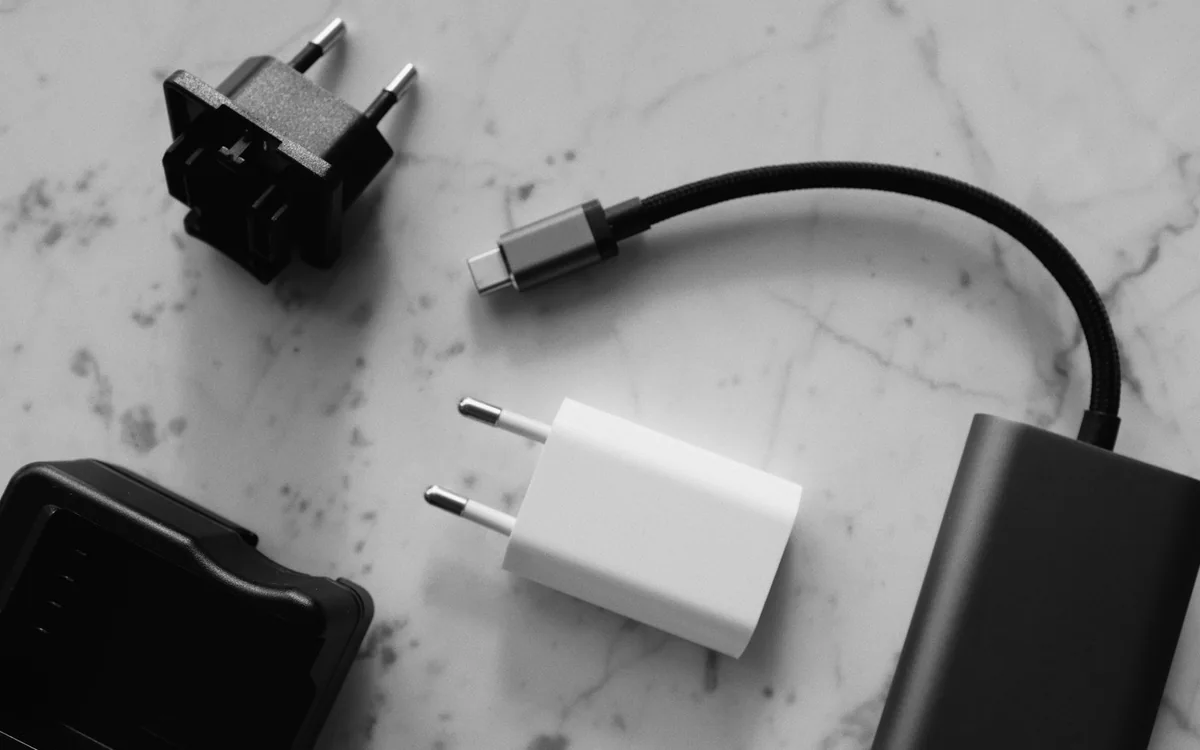
A bank that can charge a laptop quickly may also need a capable wall adapter to replenish itself promptly. Compare input requirements with the charger already in your travel pouch. If the only overnight charger is small and also serving several devices, the bank may not be ready for an early departure. Work backward from the next day's schedule.
Charge the bank before leaving home and keep its cable accessible. Store it where you can inspect and retrieve it, following airline instructions and avoiding damage or short circuits. If a battery is damaged, swollen, or subject to a relevant recall, do not treat it as a routine packing item. Follow manufacturer and carrier guidance for the specific product.
Buy the reserve you will carry consistently
Compare one lighter phone-focused bank with a heavier laptop-focused option using the actual packed bag. A bank left at home because it is too bulky provides no reserve. On a work journey, the extra weight may be justified if it avoids losing an important session; on a weekend city trip, it may simply displace something more useful.
Do not translate rated capacity into a guaranteed number of full device charges. Conversion losses, charging behavior, device use, and battery condition affect results. Skip an expensive high-output pack when you only need a small phone top-up between dependable outlets. Buy enough for the inconvenience you are trying to avoid, then protect some reserve for arrival.
Common questions
Can I put a power bank in checked luggage?
FAA guidance treats power banks as spare lithium batteries for carry-on carriage. Confirm the rules of your operating airlines and itinerary before travel.
Does 24,000mAh guarantee several laptop charges?
No. Rated capacity, output conversion, laptop battery size, and active use all affect the result. Compare energy and compatibility instead of a fixed charge count.
Can I use the bank during every flight?
Do not assume so. Airline policies can restrict use or storage aboard even when carriage is permitted. Follow the current operator instructions.
Sources & editorial notes
Manufacturer and support documentation checked for this guide. Features, regional availability, and prices can change. Our recommendations apply those documented features to everyday scenarios; they do not represent hands-on testing.
- Anker 737 official capacity, output and weight · Checked 2026-10-19
- FAA PackSafe lithium battery guidance · Checked 2026-10-19
Found an error? Tell the editorial desk with the article link and a supporting source.